 how-to
Small Group Training for Fitness Beginners: 2026 Guide
Table of Contents
- Why Small Group Training Works for Fitness Beginners
- What to Expect at a Group Fitness Class
- How to Choose the Right Small Group Program
- Small Group Training vs Personal Training
- How Often Should Beginners Work Out?
- A Beginner Strength Training Program That Builds Confidence
- Safety, Screening, and Adapting for Health Conditions
- How to Measure Progress Beyond the Scale
- Frequently Asked Questions
Last Updated: October 19, 2026
Why Small Group Training Works for Fitness Beginners
Small group training is coach-led exercise in a session of roughly four to twelve people, and it works for beginners because it pairs hands-on guidance with the cost and energy of a class.
The gym floor is intimidating when you don't know what you're doing. A good small group fixes that.
Below, we'll show you exactly what a first session looks like, how to pick the right program, and how to measure progress when the scale stalls.
What to Expect at a Group Fitness Class
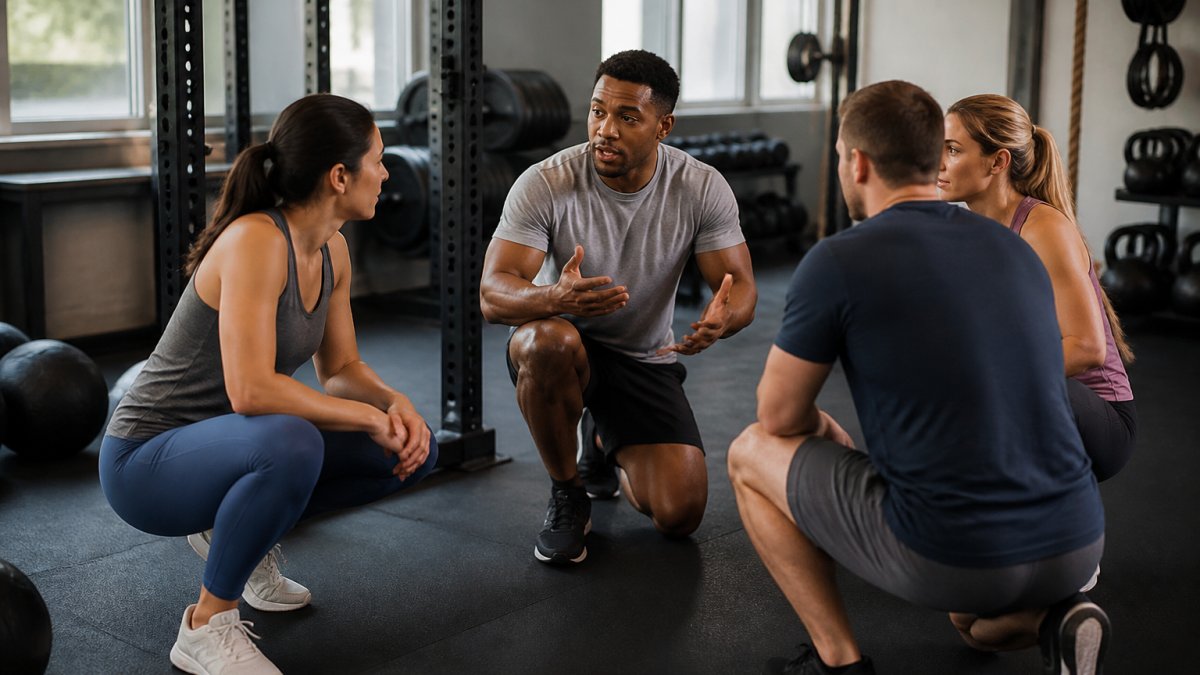
Expect a warm-up, a coached block of strength or cardio work, and a cooldown, usually in 45 to 60 minutes. The coach demonstrates each movement, offers beginner modifications, and circulates to check form.
Here's the general rhythm most group fitness classes follow:
- Warm-up (5-10 minutes): light cardio and mobility to raise your heart rate
- Main block (25-35 minutes): strength training, circuit training, or conditioning work in sets and repetitions
- Finisher (optional): a short burst of high-intensity interval training or calisthenics
- Cooldown (5-10 minutes): stretching and breathing to bring your heart rate down
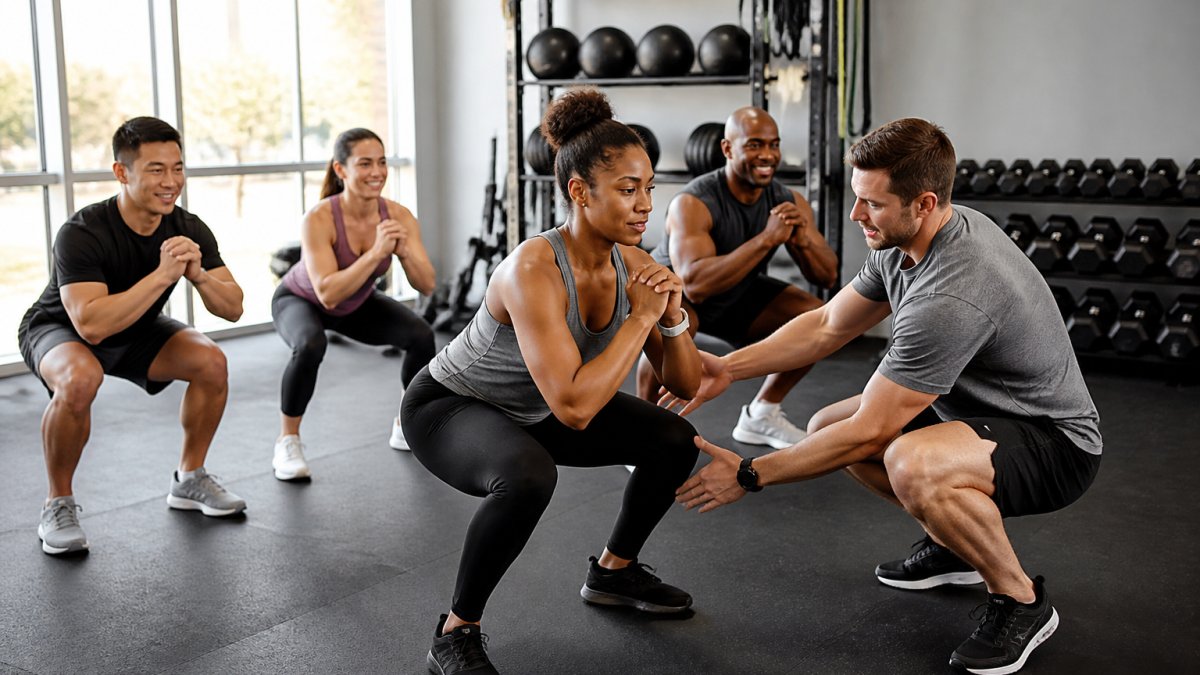
Your First Session, Step by Step
Walking in cold is the hardest part. Here is how we'd walk a beginner through session one at Year 20Fit.
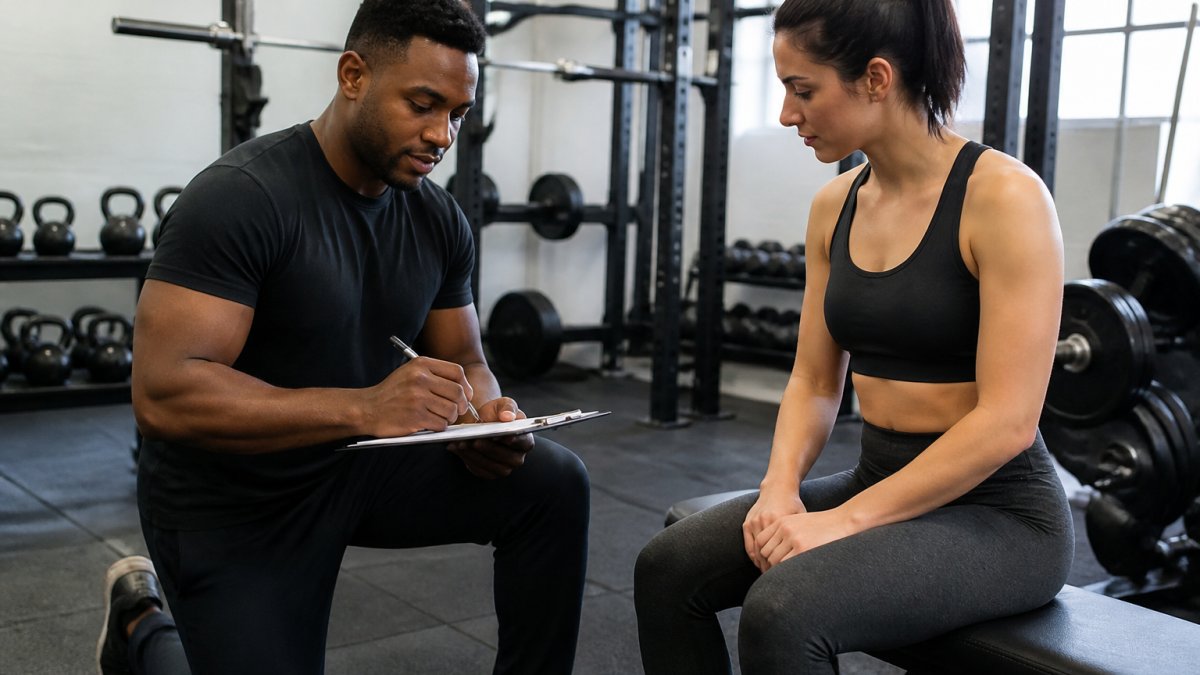
- Arrive 10 minutes early and tell the coach it's your first time. Good coaches ask about injuries and goals before you touch a weight.
- Start with the warm-up and watch how the coach demonstrates each movement.
- Pick the lightest option for every exercise. Form first, load later.
- Ask for a beginner modification on anything that feels awkward. That's what the coach is there for.
- Stop a set early if your form breaks down. Quality reps beat tired reps.
- Stay for the cooldown and tell the coach how it felt. That feedback shapes your next session.
How to Choose the Right Small Group Program
Most beginners pick a program on price and location, then quit because the coaching style or class size didn't fit. A better approach is to score each option against the things that actually predict whether you'll stick with it. Use this framework before you sign anything.
The five criteria that matter most
- Coach-to-participant ratio. Count bodies, not marketing claims. A ratio of 1 coach to 6-8 participants is the sweet spot for beginners: enough attention to correct form, enough people for energy. Once you pass roughly 1 to 12, you're in group fitness territory, not small group training.
- Coach credentials and beginner experience. Ask what certification the coach holds and how many beginners they've taken through their first eight weeks.
- How mixed levels are handled. The best programs run the same movement with different versions (regression, standard, progression) and let you pick. Ask to see a sample session plan.
- Schedule fit. Count how many sessions per week you can realistically attend, including a backup day for missed sessions.
- Terms and trial. Month-to-month beats annual contracts for a first-timer. A free or low-cost trial session or week lets you test the fit before committing.
How to weigh the trade-offs
No program wins on every criterion, so decide which two matter most to you and rank the rest. A common pattern:
- If you're nervous about form: prioritize ratio and beginner experience over price and schedule.
- If your schedule is unpredictable: prioritize multiple time slots and month-to-month terms over a slightly better ratio.
- If budget is tight: a 1-to-10 class with strong modifications can still work; just confirm the coach will give you individual cues during the session.
Questions to ask on the phone or tour
- What's the maximum number of people in a session, and what's the typical attendance?
- Who coaches the beginner sessions, and what's their certification?
- Can I see how you modify a squat or push-up for someone with knee or shoulder issues?
- Do you offer a trial session or week, and is it free or credited toward a membership?
- What are the cancellation and freeze terms if I travel or get sick?
- What happens if I miss a session, can I make it up?
Red flags
- A hard sell on a long contract before you've taken a single session.
- No beginner-specific time slots; you're dropped into an advanced class.
- Coaches who can't name a modification on the spot.
- No screening questions about injuries or health conditions.
- A ratio that balloons at peak hours even if the off-peak class is small.
| What to Check | Why It Matters | Beginner-Friendly Sign |
|---|---|---|
| Class size and ratio | More coaching per person | 1 coach to 6-8 participants |
| Coach credentials | Safe, correct guidance | Certified, beginner experience |
| Level handling | You won't get left behind | Three versions of each movement |
| Schedule | Consistency is everything | Multiple slots plus a backup day |
| Membership terms | No lock-in risk | Month-to-month, trial session offered |
| Extras | Faster results | Meal plans, body composition coaching |
Pricing varies by program, schedule, and what's bundled in. We don't publish a single number because it depends on your goals and how often you train. Call or check the website for current rates and a quote.
Small Group Training vs Personal Training
Small group training costs less than one-on-one personal training and offers more coaching than a large class.
Personal training gives you a fully custom plan and undivided attention. It's the right call if you have a specific injury, a medical condition, or a goal that needs close monitoring.
The honest drawback of small group work: if the group's level doesn't match yours, you can feel either bored or overwhelmed.
How Often Should Beginners Work Out?
Beginners should aim for two to three strength sessions per week, with rest days between them. That's enough to build the habit and see progress without overtraining. Add light cardio or walking on off days if you want more movement.
Consistency beats intensity early on. Your body needs recovery to adapt, and your schedule needs to be realistic.
A Beginner Strength Training Program That Builds Confidence
A beginner strength program should center on a few compound movements, done with proper form, at a load you can control.
Here's a sample week you could follow in a coached small group:
- Day 1: squat, push-up (or incline push-up), row, plank
- Day 2: rest or a walk
- Day 3: hinge (hip hinge or light deadlift), overhead press, lat pulldown, core work
- Day 4: rest
- Day 5: repeat Day 1 with slightly better form or a small load increase
- Weekend: active recovery, stretching, or a light cardio session
Do two to three sets of eight to twelve repetitions for each movement. This rep range builds strength and confidence without wrecking you. Bodyweight exercises and calisthenics are perfect starting points; add resistance training load once the basics feel solid.
Safety, Screening, and Adapting for Health Conditions
Safety starts with honesty. Tell your coach about injuries, medications, and any health conditions before your first session. A good program screens for risk and adapts movements to your body, not the other way around.
If you have a heart condition, joint issues, or you're returning from injury, get clearance from your doctor first. The American College of Sports Medicine pre-participation screening guidance is the standard many trainers follow when deciding who needs medical sign-off before exercise.
Watch for overtraining signals: persistent soreness, trouble sleeping, or a resting heart rate that stays elevated. Back off when those show up. Progress comes from consistent, recoverable effort, not from grinding yourself down.
How to Measure Progress Beyond the Scale
Measure progress with strength, energy, and how your clothes fit, not just the number on the scale. Body composition changes often show up in how you feel and perform before they show up in weight. The trick is to pick a few measures, record them the same way each time, and judge the trend over weeks rather than days.
Pick four measures and track them consistently
- Strength: log the load and reps for two or three key movements (for example, a goblet squat, a row, and a push-up variation). A beginner who adds reps or a small amount of weight over four to six weeks is getting stronger, full stop.
- Stamina: note how a fixed task feels, such as climbing two flights of stairs or completing a warm-up without stopping. Rate it 1-5 in your phone after each session.
- Movement quality: ask your coach for one cue to focus on each week (knees tracking over toes, chest up on the row). When the cue becomes automatic, that's progress you can feel.
- Recovery and energy: record sleep quality and soreness the morning after training on a simple 1-5 scale. Improving recovery is a sign your body is adapting.
How often to check
- Every session: log loads, reps, and the coach's cue.
- Weekly: rate stamina, sleep, and soreness.
- Every four weeks: take waist and hip measurements and retake a progress photo in the same light and clothing.
- Every eight to twelve weeks: reassess body composition if your program offers it.
What a realistic trend looks like
Most beginners see strength go up first because the nervous system learns the movements. Stamina and recovery tend to follow. Body composition changes are slower and noisier; a flat scale with a smaller waist and stronger lifts is a good month, not a stalled one.
Keep a simple log
You don't need an app. A notes file with four lines per session works:
- Movement, load, reps
- Coach's cue of the week
- Stamina rating (1-5)
- Sleep and soreness rating (1-5)
Review it every four weeks and look for direction, not perfection. Two steps forward and one back is still forward.
Body composition coaching matters here because it looks at muscle and fat, not just pounds. A beginner can gain muscle and lose fat at the same time, and the scale can stay flat while everything else improves. Judge the trend over weeks, not days.
Frequently Asked Questions
How does small group training work for beginners?
A coach leads a handful of participants through a planned workout, usually mixing strength and cardio stations. Beginners get form checks and modifications while more experienced members work at their own level. Sessions typically run 45-60 minutes and include a warm-up, main circuit, and cool-down. Ask about class size before you sign up; groups of six to twelve let the coach see everyone.
How much does a group fitness class cost?
Pricing varies by facility, class size, and whether coaching or meal planning is included. Many gyms charge per session, sell class packs, or bundle training into a membership. Year 20Fit does not publish rates online, so request a quote during a free consultation to compare total value rather than sticker price alone.
How many days a week should a beginner do group fitness training?
Start with two or three sessions per week and leave at least one rest day between strength-focused classes. That gives muscles time to recover and keeps soreness manageable. Add a fourth day only after three to four weeks of consistent attendance. If sleep, mood, or performance drops, cut back; overtraining slows progress as much as undertraining.
What should I bring to my first small group training session?
Bring water, a towel, and supportive athletic shoes, plus any medication or inhaler you may need. Wear clothes you can squat and reach in. Arrive 10-15 minutes early to meet the coach, mention injuries or health conditions, and ask for beginner modifications. Most facilities supply mats, dumbbells, and resistance bands, but confirm ahead of time.